

Skincare routines often grow slowly. A cleanser here, a serum there, maybe a moisturizer recommended by a friend. Over time, shelves fill up, but results do not always follow. Many people feel they are doing everything right, yet their skin still looks tired, uneven, or less firm than expected. This frustration usually comes from one common mistake that happens long before someone ever hears about Alastin.
The mistake is not about effort. It is about approach.
Before getting into the details, here is the quick summary.
TL;DR
- Many routines focus on surface level results only
- Skin support matters as much as active ingredients
- Overloading products often leads to disappointment
- A smarter foundation can change long term outcomes
Chasing quick fixes instead of long term support
One of the most common skincare habits is jumping from product to product. A new launch promises brighter skin. Another claims smoother texture in days. It is tempting to keep switching, hoping the next product will finally deliver.
People searching for anti aging skincare tips often fall into this cycle. The issue is not that these products are useless. It is that they are often layered without a clear plan. Skin becomes overwhelmed, and results become inconsistent.
Treating skin like a checklist
Another mistake is treating skincare like a checklist. Cleanse, exfoliate, apply actives, moisturize, repeat. While routines are important, skin is not a machine.
Those researching how to build an effective skincare routine sometimes forget that skin health depends on how well it can repair and support itself. Without that foundation, even strong ingredients struggle to perform as expected.
Ignoring what happens beneath the surface
Many products focus on what you can see immediately. Glow, smoothness, temporary plumping. These effects can be satisfying, but they do not always address what is happening deeper in the skin.
People interested in skin firmness and elasticity often do not realize that visible aging is closely linked to the skin’s internal support structure. When that support weakens, surface treatments alone can only do so much.
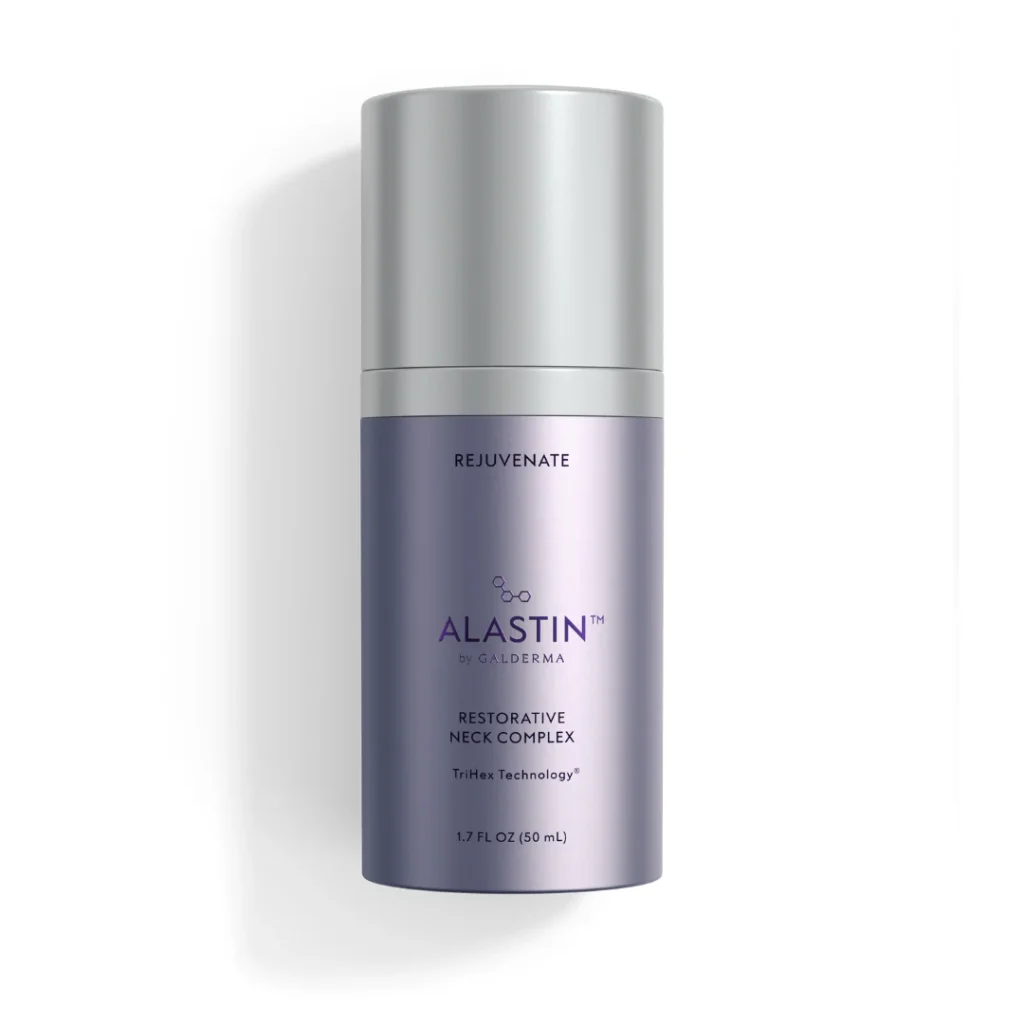
This is where Alastin often enters the conversation.
Using too many products at once
More products do not always mean better results. In fact, using too many actives can lead to irritation, sensitivity, and confusion about what is actually working.
Those looking into simplifying skincare routines often discover that consistency matters more than quantity. Skin responds best when it is supported, not constantly challenged.
A focused approach allows the skin to adapt and improve gradually.

Expecting instant transformation
Another common mistake is expecting immediate change. Skin renews itself over time, not overnight. When expectations are unrealistic, even good progress can feel disappointing.
Searches around how long skincare takes to work reflect this impatience. Understanding that improvement is cumulative helps set healthier expectations and reduces the urge to constantly switch products.
Forgetting that skin changes with age
What worked in your twenties may not work the same way later on. Skin needs evolve, and routines should evolve too.
People exploring skincare for aging skin often realize that support becomes more important than stimulation. Strengthening the skin’s ability to maintain itself becomes a priority.
This shift in mindset is often what leads people to explore Alastin as part of a more thoughtful routine.
Building a routine that works with your skin
The biggest change happens when people stop fighting their skin and start working with it. This means choosing products that complement each other and support skin function instead of constantly stressing it.
Those researching how to support healthy skin long term often find that fewer, well chosen products deliver better outcomes than complex routines.

Why this mistake is so common
Marketing focuses on fast results. Social media promotes instant transformations. It is easy to believe that skincare should work quickly if it works at all.
In reality, skin health is about patience and structure. When the foundation is right, progress becomes more noticeable and more sustainable.
A smarter way forward
Avoiding this common mistake does not require starting over. It requires stepping back and rethinking priorities. Supporting the skin’s structure, simplifying routines, and setting realistic expectations changes how products perform.
For many people, this shift is what finally makes skincare feel effective rather than exhausting.