

If you’ve ever restored a table or laid bare a wooden floor, you’ll know sanding is only half the battle. The wood looks raw, pale, almost unfinished — and that’s because it is. Without a protective coat, the surface soaks up every drop of water, every muddy pawprint, and every sunbeam. The answer is varnish. On Tooled-Up, there’s a wall of tins to choose from, each claiming to do the job. Knowing which one to buy is the trick.
Why Varnish Matters
Wood is lovely but vulnerable. Coffee rings, damp air, and even daylight leave their mark. A few coats of varnish act like a shield. It doesn’t hide the wood; it makes the grain pop and adds strength you can feel. Think of it as giving your timber armour with a touch of polish.
The Options on the Shelf
Tooled-Up carries a wide selection, but the main types boil down to:
- Polyurethane: Hard as nails, great for floors where chairs scrape and kids charge through.
- Acrylic: Water-based, quick to dry, with less smell — useful indoors when windows can’t stay open.
- Oil-based: Slightly richer colour, slower drying, but worth it if you like a warm finish.
- Exterior varnish: A must for garden furniture and fences. Rain and UV don’t stand a chance.
- Quick-dry versions: Handy when you’re racing the weather or need a job done in one afternoon.

Picking a Finish
- Gloss shines like a polished piano.
- Satin gives a soft gleam without glare.
- Matt looks natural, almost invisible, but still protective.
Each has its place. A glossy dining table says “formal,” while a matt sideboard whispers “modern.”
A Day in the Life of Varnish
Picture this: you’ve spent Saturday morning sanding down an old pine coffee table. The dust is everywhere, your arms ache, but the wood underneath looks better than you expected. You brush on a coat of satin varnish and leave it to dry. By evening, the pale surface has taken on depth, the knots stand out, and the table feels new. That’s the difference one tin makes.
How to Get It Right
- Sand first. Any rough patch will stay rough under varnish.
- Stir the tin. Ingredients settle; don’t skip this.
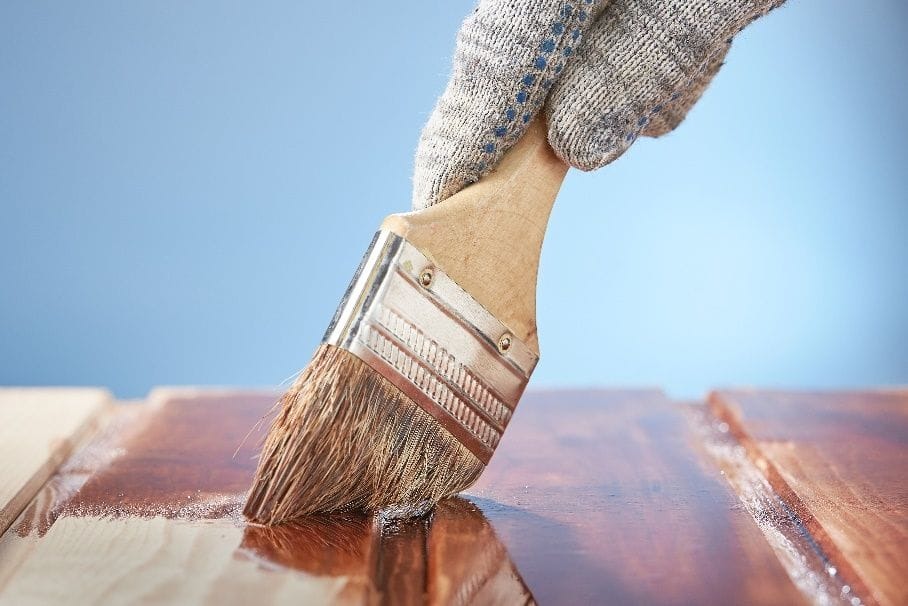
- Thin coats win. Heavy layers run and take forever to dry.
- Wait. It’s dull, but drying time matters.
- Light sand between coats. A quick once-over with fine paper keeps the finish smooth.
Two or three coats usually last. For a hallway floor, go for more.
Where You’ll Use It Most
- Dining tables that see endless cups of tea.
- Wooden stairs where shoes hammer day after day.
- Outdoor benches that face every storm.
- DIY shelves or toy boxes that need protection without fuss.
Once you’ve got a tin in the cupboard, you’ll keep finding reasons to use it.
Mistakes People Make
- Forgetting to prep: dust left on the surface sticks under the varnish forever.
- Using the wrong type outside: indoor varnish will peel in weeks.
- Brushing too thick: creates ridges and tacky patches.
- Rushing the job: varnish needs time; patience saves you sanding it all off later.
FAQs
How many coats do I need?
Usually two to three, but for floors expect at least four.
Will it change the colour?
Yes, a little. Acrylic is clearer, oil-based darkens slightly.
Does it expire?
Unopened tins last years. Once opened, seal tightly — you’ll usually get 12 months.
Can I use it over paint?
Not really. Varnish is meant for bare or stained wood. For painted surfaces, use a dedicated clear coat.
A Personal Take
The first time I used varnish, I rushed it. One thick coat on an old oak desk, no sanding in between. It looked shiny for a week, then dulled and scratched. Second time round, I followed the proper steps — thin coats, patience, light sanding. That desk is still in use now, years later, with a finish that looks almost better than new. That’s why the right varnish, applied properly, is worth every minute.
Varnish isn’t glamorous, but it’s transformative. It keeps your hard work safe and makes wood glow in a way that bare timber never does. Whether you’re reviving an old piece of furniture or finishing a brand-new staircase, the right varnish makes the difference between “good enough” and “done properly.”
With the range at Tooled-Up, you don’t have to guess. Pick the type, choose the finish, and give your wood the protection it deserves.