

In Gaza, turning on a tap doesn’t guarantee a glass of clean water. Years of infrastructure damage, blockade restrictions, and contamination have left families relying on unsafe water sources or expensive bottled supplies. For many, water isn’t just scarce—it’s a daily struggle that shapes every part of life. Muslim Aid’s Water for Gaza project steps in with a clear, urgent mission: to restore access to safe, drinkable water for the people who need it most.
- Clean Water Access – Funds are used to repair and maintain essential water networks in Gaza, ensuring safe drinking water reaches homes and schools.
- Long-Term Solutions – Beyond immediate relief, the project invests in sustainable infrastructure to reduce reliance on emergency water trucking.
- Community Impact – Directly benefits families, children, and health facilities, cutting the risk of waterborne diseases.
Why Water Access in Gaza Is at Breaking Point
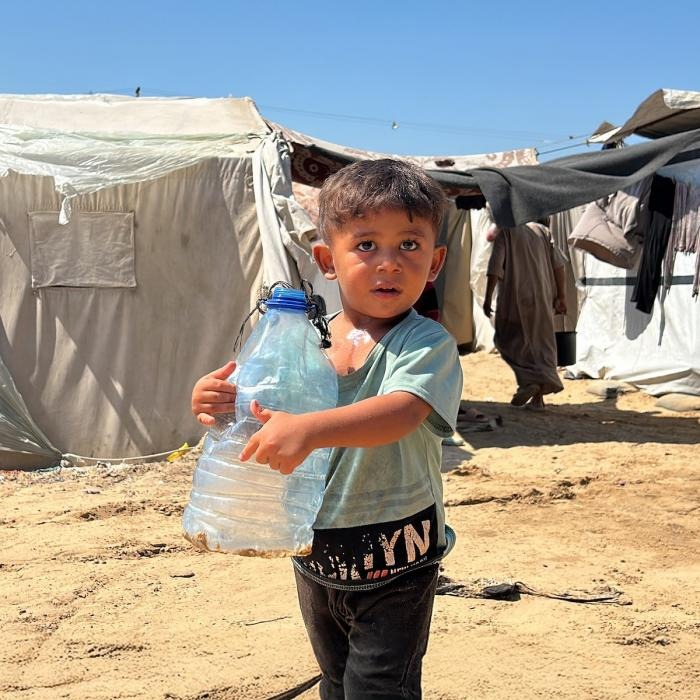
In Gaza, over 90% of the water from the aquifer is unfit for human consumption. Salinity, contamination, and damaged pipelines mean that safe water is often available only to those who can afford costly alternatives. For many families, especially in refugee camps and rural areas, that’s not an option.
Muslim Aid’s Water for Gaza project addresses this crisis head-on by repairing vital infrastructure, installing water storage systems, and providing purification solutions. It’s not about short-term fixes—it’s about changing the daily reality for thousands of people.
The Approach: Immediate Relief Meets Sustainable Planning
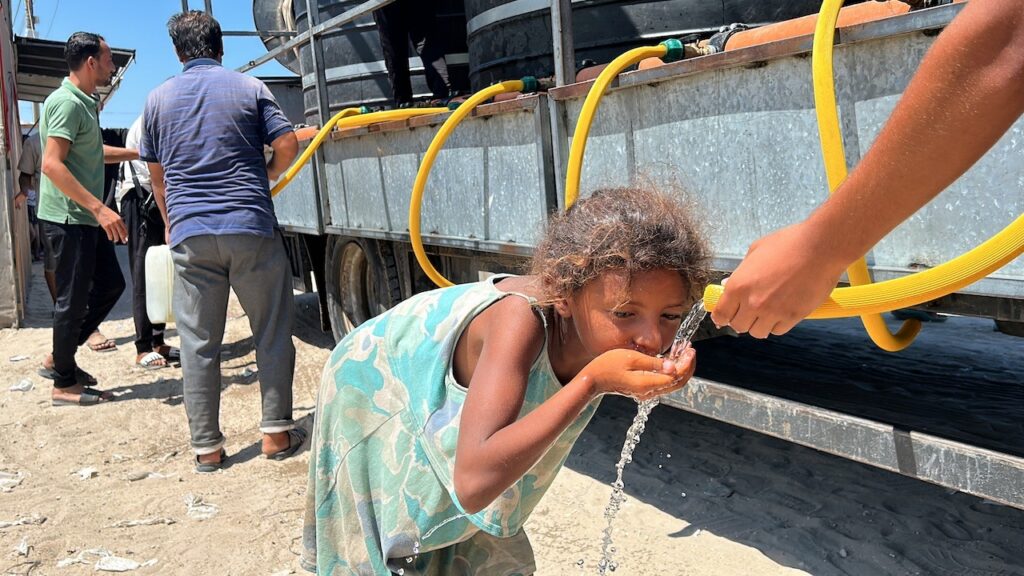
The campaign doesn’t just deliver water for a day; it works to secure water for the future. Teams on the ground focus on:
- Repairing Water Networks – Fixing leaks and damaged pipelines to keep clean water flowing where it’s needed.
- Installing Purification Units – Ensuring that even when water is scarce, it meets safe consumption standards.
- Supporting Public Facilities – Supplying schools and clinics so that essential community spaces have reliable water access.
By blending immediate interventions with long-term planning, Muslim Aid reduces dependency on emergency aid and helps communities build resilience.
The Human Impact
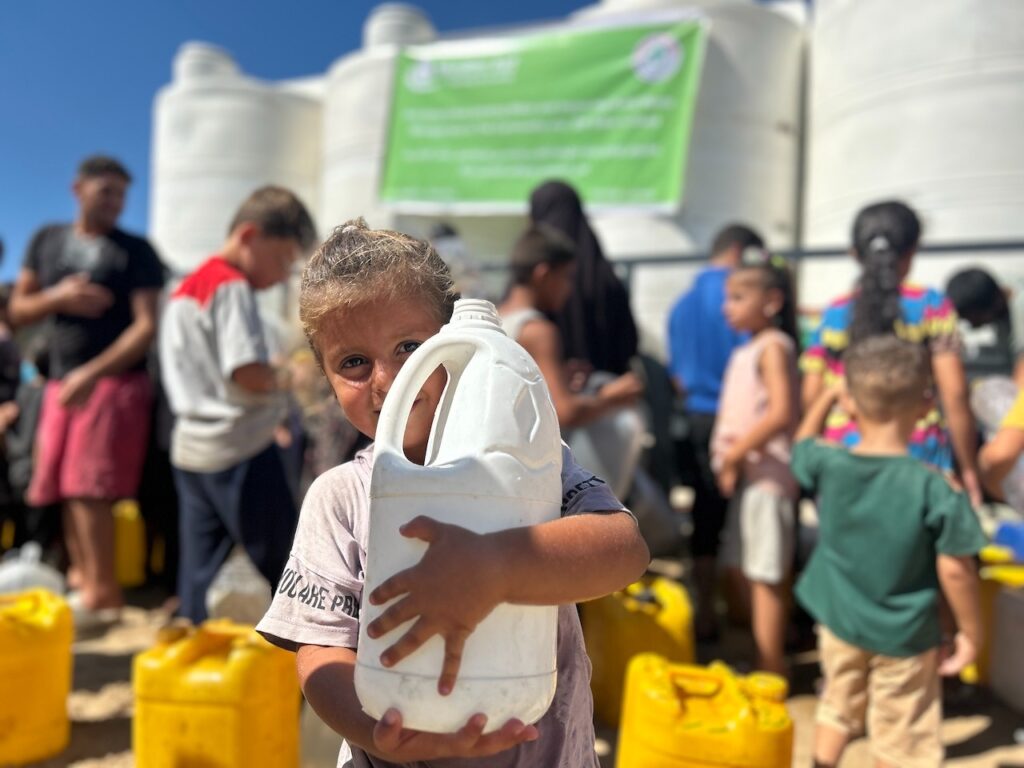
Behind every water tank installed or pipeline repaired is a family whose life changes in practical, everyday ways. Parents no longer have to boil questionable water before giving it to their children. School attendance improves because students aren’t falling ill from waterborne diseases. Clinics can maintain hygiene standards without rationing every drop.
These are small, vital shifts that ripple outward—better health, more stability, and less time spent searching for something as basic as drinking water.
Pros & Cons of the Current Model
Pros
- Direct focus on clean, safe drinking water
- Sustainable improvements that outlast emergency aid
- Benefits both households and public facilities
- Reduces the risk of disease outbreaks
Cons
- Dependent on ongoing funding to scale impact
- Infrastructure challenges mean repairs may be temporary in high-conflict areas
Who It’s For
The Water for Gaza initiative is for anyone who believes that access to clean water is a basic human right. Whether you’re a first-time donor or a long-time supporter of humanitarian work, this campaign offers a clear, tangible way to make a difference. It’s especially impactful for those who want their contribution to have a measurable, visible outcome.
Comparisons
Unlike short-term water trucking solutions, which provide immediate relief but no lasting change, Muslim Aid’s approach aims to repair and maintain the systems that should already be delivering safe water. It bridges the gap between humanitarian aid and development work—addressing both the urgent needs of today and the structural problems of tomorrow.
The Water for Gaza campaign shows that humanitarian aid can be both compassionate and strategic. It tackles an urgent crisis while laying the groundwork for a future where safe water is the norm, not a privilege. For those looking to contribute to a cause where every donation translates into a direct improvement in someone’s daily life, Muslim Aid’s work in Gaza is a worthy choice.
FAQs
Q: How does my donation help?
A: Contributions fund infrastructure repairs, purification systems, and water distribution in high-need areas.
Q: Does the project only provide water temporarily?
A: No, the aim is to create sustainable solutions that continue providing safe water beyond the immediate crisis.
Q: Who benefits most from the project?
A: Families, schools, and clinics in Gaza, particularly in areas with limited or no access to clean water.
Q: Can I track the impact of my donation?
A: Muslim Aid shares updates and reports so supporters can see how funds are being used.